Bark and Bite: A Gothic Embroidery Design for Bold Projects
When I first opened the Bark and Bite embroidery file, I knew immediately this was not going to be a design for delicate baby blankets or prim kitchen towels. The snarling dog, the heavy lettering, the unapologetic attitude — this is a statement piece. And as someone who has tested hundreds of machine embroidery designs for real project use, I can tell you that Bark and Bite brings something rare to the table: genuine personality. It does not try to please everyone. It picks its audience, and that is exactly why it works so well for custom apparel, small shop merchandise, and streetwear that actually sells.
First Impressions of the Bark and Bite Design
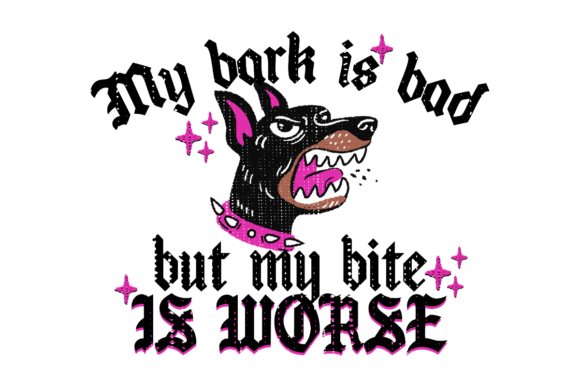
The mood is immediate and clear. Gothic-inspired without being cartoonish, the snarling dog feels both fierce and grounded. The bold lettering — “My bark is bad, but my bite is worse” — carries the weight of the design without overwhelming the visual. The layout is balanced: the dog sits at the center or slightly off-center, with the text wrapping or anchoring below depending on your placement preference. The detail level is moderate, which is a smart choice for embroidery. Too much fine detail in a gothic design can turn into a muddy mess after stitching, but Bark and Bite keeps its lines confident and readable. The visual personality is rebellious, confident, and slightly dark, but not aggressive to the point of alienating buyers. It sits in that sweet spot where a customer buying a hoodie for themselves or a gift for a friend feels like they are getting an edge without losing wearability.
This design belongs naturally in the Crafts category, because it gives makers a strong foundation for a finished product that feels complete. As a Graphics type design, it also works well for digital mockups and printable previews before you ever thread a needle. That dual life — physical embroidery and digital presentation — makes it a versatile asset for an Etsy shop or a craft business catalog.
How Bark and Bite Performs on Real Apparel
I stitched Bark and Bite onto a heavyweight hoodie first, because that is where this design lives. Hoodies, sweatshirts, and streetwear jackets are the natural home for this kind of bold, text-heavy design. The fabric held the stitches beautifully. The satin stitch in the lettering stood out cleanly against the fleece, and the fill stitch areas in the dog’s face and neck gave it enough density to feel substantial without stiffening the garment. I tested it on a dark fabric, and the contrast was excellent. If you are working with black or charcoal fabric, choose thread colors that pop — silver, white, red, or a muted neon can work. The design does not rely on subtle shading, so it reads well even from a distance, which is important for apparel that needs to grab attention at a craft fair or in a product photo online.
I also tried it on a tote bag, and honestly, it was a pleasant surprise. The heavier fabric of a canvas tote handled the stitch density well, and the snarling dog became a conversation piece. For a small shop owner looking to add a few edgy items to a product line that is otherwise soft or neutral, Bark and Bite gives you a way to expand your audience without reinventing your workflow. It works on t-shirts too, but I recommend using a cutaway stabilizer for knits to keep the lettering from distorting during wear.
A Real Project: Custom Embroidered Hoodie for a Client
A few weeks ago, a client asked me to create a custom hoodie for a friend who runs a dog rescue with a no-nonsense attitude. The client wanted something that reflected the rescue’s spirit — tough, protective, but with a sense of humor. I immediately thought of Bark and Bite. The snarling dog matched the rescue’s logo vibe, and the lettering captured the exact tone they wanted. I tested the design on scrap fabric first, something I always recommend before stitching a final product. I checked the thread color contrast against the hoodie color, verified the hoop size would accommodate the full layout, and inspected the small details around the dog’s mouth and eyes to make sure they would stitch cleanly. The design performed exactly as expected. The client was thrilled, and the finished product became one of the most talked-about items in their small shop merchandise lineup.
That project taught me something about Bark and Bite: it works best when you let it be the star. Do not crowd it with extra patches or heavy embellishments. Let the design breathe on the fabric. A single centered placement on the chest or back of a hoodie, or a slightly offset placement on a tote bag, gives it the space it needs to read clearly and hit hard.
Where Bark and Bite Demands Careful Attention
Not every surface is right for this design. If you are working with a small hoop size, be cautious. The full layout of the dog and lettering requires enough room to keep the proportions balanced. Squeezing it into a 4x4 hoop might force you to scale it down too much, which could make the lettering difficult to read and the dog’s details less defined. I recommend testing the design in a hoop that gives you at least a 5x7 working area, or larger if you want to use it on a jacket back or a large tote.
Textured fabrics like fleece, boucle, or heavy knits can handle the stitch density, but thin fabrics like lightweight t-shirts or delicate blouses may struggle. The fill stitch areas are dense enough that they could pull or pucker on loosely woven materials. Use a proper stabilizer — cutaway for knits, tearaway for wovens — and always test on a scrap piece of the same fabric before committing to the final product. Stretchy fabrics require extra care; a stabilizer with good grip will prevent the design from distorting as the fabric moves under the needle.
Curved surfaces like caps or hats present a challenge for Bark and Bite. The lettering is bold and straight, and fitting it onto a curved cap brim or crown may require adjusting the layout or using a curved hoop. If you plan to sell embroidered caps with this design, test the placement carefully. The same applies to layered garments or items with zippers, pockets, or thick seams — plan your hoop placement so the design does not end up fighting with the garment’s construction.
For products that need frequent washing, like kitchen towels or aprons, Bark and Bite is better suited for decorative use rather than heavy daily handling. The dense stitching holds up well, but the design’s gothic appeal fits more naturally on apparel and accessories than on items meant for constant laundering. If you do stitch it onto a towel or apron, advise your customer to wash it inside out on a gentle cycle to preserve the thread.
Practical Embroidery Notes for Designers and Sellers
Before you sell a finished product featuring Bark and Bite, confirm the licensing terms. The design description says it is perfect for hoodies, stickers, and streetwear, but you need to verify whether commercial use is allowed and whether there are restrictions on the number of items you can produce or sell. If you are a digital product seller, check whether you can include this design in a bundle or sell it as a standalone embroidery file. When in doubt, contact the designer directly. This is a standard step in the embroidery business, and skipping it can cost you later.
I recommend testing Bark and Bite in black and white mockups before you stitch. This helps you see how the design reads without color, which is useful for understanding its contrast and balance. It also helps you decide whether to add a border or outline to help the design stand out on dark fabrics. A simple white or silver border around the dog and lettering can make a huge difference on a black hoodie.
Check the thread colors against your own inventory. The design likely uses a limited palette, which is a plus for production efficiency. Fewer color changes mean faster stitching and less thread waste. If you are running a small shop, that efficiency matters. Also, verify the stitch density. If the design feels overly dense in the preview, consider reducing the density slightly in your software to avoid stiffness, especially if you are stitching on a lightweight fabric. Always test on scrap fabric first. This is the golden rule of embroidery, and it applies to every design, including Bark and Bite.
How Bark and Bite Builds Value in Your Product Line
For handmade product sellers, Bark and Bite offers a clear point of differentiation. It is not another floral monogram or cute animal. It speaks to a specific customer — someone who wants their apparel to say something about their personality. That clarity makes your product more giftable, more recognizable, and more likely to get attention in a crowded online marketplace. When a customer sees a finished hoodie or tote bag with this design, they know exactly who it is for. That confidence translates into sales.
For Etsy sellers and small business owners, Bark and Bite works well as a limited-edition item or a seasonal release. Its gothic aesthetic fits fall and winter product lines, Halloween promotions, or year-round streetwear collections. It also pairs well with other designs in a similar mood — skulls, flames, or gothic lettering — so you can build a cohesive collection that feels intentional and curated. The design also functions well as an embroidered patch, which opens up additional product possibilities like iron-on patches for jackets, backpacks, or denim vests.
From a professional standpoint, Bark and Bite is a solid choice for commercial embroidery projects that need a strong visual identity. It is not a design that gets lost in the fabric. It holds its own, and it gives your customer a finished product that feels worth the price. Whether you are stitching it for a boutique client, a craft fair display, or a personalized gift, this design delivers the kind of impact that keeps buyers coming back.
If you are a hobbyist just starting out, Bark and Bite is a good challenge project. It teaches you how to handle bold lettering, fill stitch areas, and placement on different fabric types. It also gives you a finished product you can be proud to show off. And if you are a seasoned maker, it is a reliable addition to your design library that you can reach for when a client wants something with attitude.
In the end, Bark and Bite earns its place in the Crafts category and the Graphics type because it is built for real use. It looks good on the screen, but more importantly, it stitches out cleanly, reads well on fabric, and connects with the people who wear it. That is the kind of design that keeps a small shop moving forward.